Volunteer wildlife care in the spotlight: Inside the Tracy Dods case
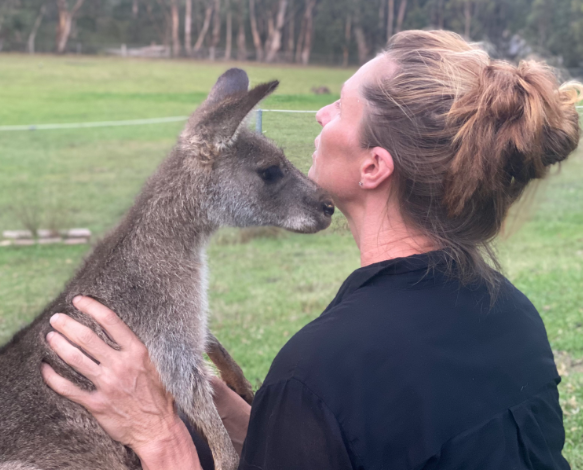
Tracy Dods at her property with a friend Share this page Volunteer wildlife care in the spotlight: Inside the Tracy Dods case When a volunteer wildlife carer faces prosecution, the issue isn’t just about one animal. This case raises big questions that concern all people who love Australian wildlife. Across each State, taxpayer-funded public institutions and most animal charities do not rescue, rehabilitate and release injured wildlife. The job has fallen to caring citizens, sometimes financially supported by other members of a community via donations. Tracy Dods has spent years rescuing and rehabilitating injured wildlife, often under extreme conditions. She volunteered on the frontlines during the catastrophic 2020 bushfires. Known for her dedication, honesty, and compassion, Tracy has rescued over 400 kangaroos and wallabies and paid for facilities at her home west of the Blue Mountains to rehabilitate them. Yet she is now at the centre of a criminal prosecution over her care of a kangaroo named Dolores — a case that could redefine how wildlife care is judged in Australia. Narrow legal question about ‘reasonable’ as dedicated carer convicted of ‘cruelty’ In this landmark case, Dods v R (RSPCA), Tracy’s integrity is not in dispute. The case revolves around a legal question that is narrow but profound in its possible impacts: Was it reasonable for Tracy to believe that Dolores did not require veterinary treatment from 20 February to 8 March 2021 given the information available, her training, and the circumstances at the time? The initial court case was brought by the RSPCA (which does not rehabilitate wildlife itself) on referral from WIRES after the two organisations raided Tracy’s property. The prosecution arguing that Dolores required veterinary treatment during this three-week period— care they say only a registered veterinarian can provide — and alleging that Tracy should have known this. The case was framed as a failure to act — not through malice, but through allegedly unreasonable judgment. The case has been under appeal after Tracy was convicted of aggravated cruelty. An appeal judgment is due in March. Dolores The RSPCA case relied upon post-mortem X-rays said to reveal a fracture – not noted by two veterinarians who early on saw Dolores – plus video footage interpreted as deterioration, as well as veterinary-led testimony that euthanasia was necessary. The case also invokes the principle that wildlife carers are held to a high standard of care. Much of the prosecution’s evidence rested on the opinion of a veterinarian, brought in by WIRES. His testimony displayed no experience with the rescue and rehabilitation of injured kangaroos, according to court observers who had much experience treating injured macropods: a lengthy task involving medication, vet visits and rest amidst the animals’ stress response when handled The defence for Tracy has consistently argued that Tracy’s conduct must be assessed based on what she knew at the time, not through the lens of hindsight. When Tracy first took on Dolores’ care, she was told the kangaroo had been seen by a vet, X-rays were clear and the injuries were consistent with those of a kangaroo caught in a fence referred to as ‘fence-hanger’: open wounds and tendon damage. The primary concerns were infection control and restoring mobility. In 2019, Tracy completed the fence-hanger course’ presented by private wildlife rescue and treatment facility Possumwood Wildlife Recovery and Research in southern NSW. Based on years of experience rescuing fence-hangers, Possumwood teaches that recovery from such injuries can be slow and highly variable. The training explains that muscle wastage is common, symptoms can worsen before improving, and euthanasia is a last resort rather than a default response. From Tracy’s perspective, Dolores’ progress aligned with that training. If you would like to learn more about treatment and rehabilitation of kangaroos rescued from fence entanglement (with the poor victims sometimes hanging upside down for a lengthy period) try for this document: Macropod Fence Injuries 2023 Advanced Mac Course PDF via the Possumwood website www.possumwood.com.au; Also see https://www.facebook.com/watch/?v=832279666014066 When swelling developed during recovery, Tracy sought further veterinary advice. With treatment, the swelling subsided. Her court defence pointed to this as evidence that Tracy sought veterinary care when she believed it was necessary – all while operating under COVID restrictions (something not mentioned in the court case). Property raid: Dolores seized and euthanised. Appeal Judge has some issues Until the RSPCA raid, Tracy was a volunteer with WIRES. She dedicated her time to attending rescues at all times of the day and night, and caring for kangaroos at her home at considerable personal expense because, she said, she feels a deep desire to help wildlife. A contentious element of the case was a Zoom call organised by WIRES. Tracy believed this was a routine three-monthly welfare check. She says she was given no warning that her care was under scrutiny and no concerns were raised before, during or after the call. Yet a recording of this meeting later became central to the RSPCA court case. Three people attended the call besides Tracy: a WIRES staff member, a board member and the veterinarian who later testified and was attending the Zoom call at WIRES’ request. No urgent instruction was given to seek immediate veterinary intervention for Dolores. Days later, Tracy was referred to the RSPCA. On 8 March 2021, the RSPCA – accompanied by WIRES – raided Tracy’s property. Dolores was seized and euthanised. The appeal judge has since highlighted the systemic pressures that complicate the case and noted a major and troubling inconsistency: fractures missed by registered veterinarians are often deemed understandable, yet the same oversight by a wildlife carer may attract criminal charges. The judge also questioned WIRES’ role, asking whether the Zoom call framed as supportive may have reinforced Tracy’s belief she was acting appropriately. The absence of key witnesses — including the original vet who took the X-rays, Tracy’s WIRES macropod coordinator and WIRES senior management — further complicated the court’s task and raised questions about where responsibility truly lies. What does the case mean for carers and
