
Volunteer wildlife care in the spotlight: Inside the Tracy Dods case
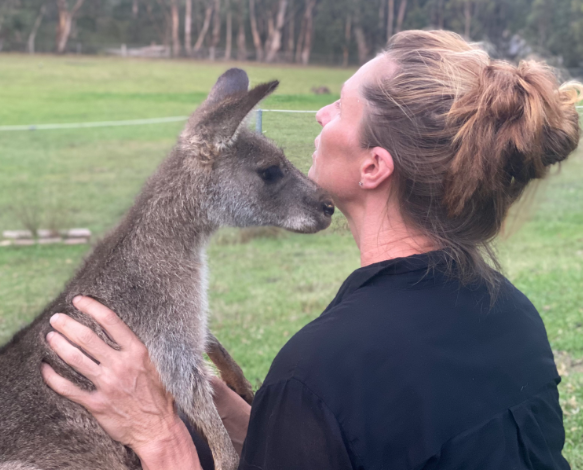
Tracy Dods at her property with a friend Share this page UPDATE LANDMARK CASE: TRACY DODS CLEARED OF ALL CHARGES ‘A former wildlife carer has been cleared of all charges of animal cruelty, five years and five days after WIRES and the RSPCA raided her Blue Mountains property and seized three kangaroos in her care. ‘Tracy Clare Dods, 56, of Kanimbla won her appeal in the Parramatta District Court on Friday, quashing the criminal conviction and sentence that included a ban on owning animals for five years. About 60 supporters from around the state, many of them fellow wildlife carers, travelled to the court for the judgment’, reported Caitlin Fitzsimmons in the Sydney Morning Herald ( SMH) in mid-March. https://www.smh.com.au/environment/ conservation/former-wildlife-carer-s-conviction-for-animal-cruelty-overturned-20260311-p5o9ei.html The same article reported that Judge Nanette Williams criticised WIRES and RSPCA officers for behaviour that was “at times aggressive” during an unannounced visit in March 2021, and noted that the RSPCA as the prosecuting authority had failed to call crucial witnesses to prove its case beyond reasonable doubt. At issue was Dod’s treatment of the painful injuries kangaroo Dolores suffered trying to navigate a fence, an all too often occurrence as kangaroos living amongst us face dangerous fencing including barbed wire, ringlock and dangerously spaced plain wires – all of which can lead to catching and ripping a leg, and other injuries. Also at issue was the timing of diagnoses of the kangaroo’s injuries before and after Dod’s nursing care based on experienced advice. Judge critical of RSPCA and WIRES case Judge Williams found for Dods on the basis that there was clear evidence showing she acted in good faith that her care was reasonable and adequate based on the veterinary and carer advice she did receive. Believing from initial medical diagnosis that there was no fracture, Dolores was treated as a typical fence-hanging injury, focusing on wound care. The judge found this was reasonable. Dr Rosemary Austen from Possumwood Wildlife hospital and recovery centre outside Canberra was finally allowed to testify as an expert witness about the training that carers receive regarding these types of injuries. She said recovery can take a long time and muscle wastage is common. Walking free after this five-year battle, Dods said she was in therapy as a result and still gets panic attacks when a strange vehicle drives on her property. “When I see the RSPCA logo, I feel fear and anger,” she told the SMH. Responsibility for costs will be decided in early June. Dods told the Herald she had spent about $140,000 defending herself, and had raised about $40,000 in crowdfunding from GoFundMe. Volunteer wildlife care in the spotlight: Inside the Tracy Dods case When a volunteer wildlife carer faces prosecution, the issue isn’t just about one animal. This case raises big questions that concern all people who love Australian wildlife. Across each State, taxpayer-funded public institutions and most animal charities do not rescue, rehabilitate and release injured wildlife. The job has fallen to caring citizens, sometimes financially supported by other members of a community via donations. Tracy Dods has spent years rescuing and rehabilitating injured wildlife, often under extreme conditions. She volunteered on the frontlines during the catastrophic 2020 bushfires. Known for her dedication, honesty, and compassion, Tracy has rescued over 400 kangaroos and wallabies and paid for facilities at her home west of the Blue Mountains to rehabilitate them. Yet she is now at the centre of a criminal prosecution over her care of a kangaroo named Dolores — a case that could redefine how wildlife care is judged in Australia. Narrow legal question about ‘reasonable’ as dedicated carer convicted of ‘cruelty’ In this landmark case, Dods v R (RSPCA), Tracy’s integrity is not in dispute. The case revolves around a legal question that is narrow but profound in its possible impacts: Was it reasonable for Tracy to believe that Dolores did not require veterinary treatment from 20 February to 8 March 2021 given the information available, her training, and the circumstances at the time? The initial court case was brought by the RSPCA (which does not rehabilitate wildlife itself) on referral from WIRES after the two organisations raided Tracy’s property. The prosecution arguing that Dolores required veterinary treatment during this three-week period— care they say only a registered veterinarian can provide — and alleging that Tracy should have known this. The case was framed as a failure to act — not through malice, but through allegedly unreasonable judgment. The case has been under appeal after Tracy was convicted of aggravated cruelty. An appeal judgment is due in March. Dolores The RSPCA case relied upon post-mortem X-rays said to reveal a fracture – not noted by two veterinarians who early on saw Dolores – plus video footage interpreted as deterioration, as well as veterinary-led testimony that euthanasia was necessary. The case also invokes the principle that wildlife carers are held to a high standard of care. Much of the prosecution’s evidence rested on the opinion of a veterinarian, brought in by WIRES. His testimony displayed no experience with the rescue and rehabilitation of injured kangaroos, according to court observers who had much experience treating injured macropods: a lengthy task involving medication, vet visits and rest amidst the animals’ stress response when handled The defence for Tracy has consistently argued that Tracy’s conduct must be assessed based on what she knew at the time, not through the lens of hindsight. When Tracy first took on Dolores’ care, she was told the kangaroo had been seen by a vet, X-rays were clear and the injuries were consistent with those of a kangaroo caught in a fence referred to as ‘fence-hanger’: open wounds and tendon damage. The primary concerns were infection control and restoring mobility. In 2019, Tracy completed the fence-hanger course’ presented by private wildlife rescue and treatment facility Possumwood Wildlife Recovery and Research in southern NSW. Based on years of experience rescuing fence-hangers, Possumwood teaches that recovery from such injuries can be slow and highly variable. The training
