Canberra resident and Australian Wildlife Protection Council member Chris Doyle is reporting on the Australian Capital Territory’s lethal ‘management’ programs for wildlife in the national capital and surrounds that continue despite strong push-back from outraged local citizens and Australians nationally who have heard. Stay tuned for reports on dingo management and, with a possible good news pivot, recent wombat persecution. Today, Chris exposes the unjustified annual slaughter of Canberra’s kangaroo families, again underway. And asks for your help.
Whenever I hear those words, I feel a sense of dread for what is about to come. For those that care for the kangaroos that live in and around the Canberra Nature Park, in the ACT, zero means one thing. It’s 6.00pm, and that means it is time to start the nighttime slaughter of kangaroo families on Australian Capital Territory (ACT) nature reserves scattered through Canberra.
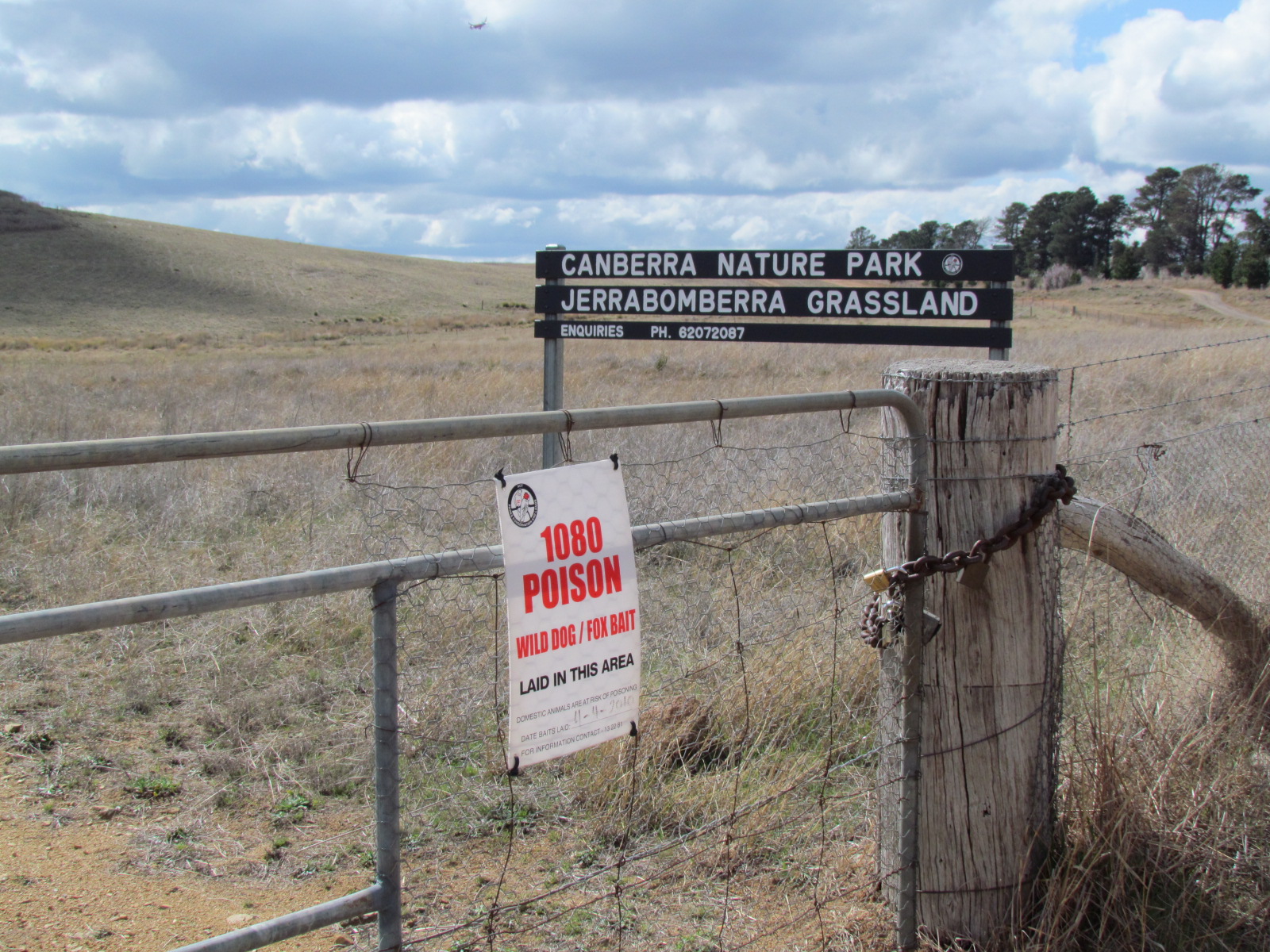
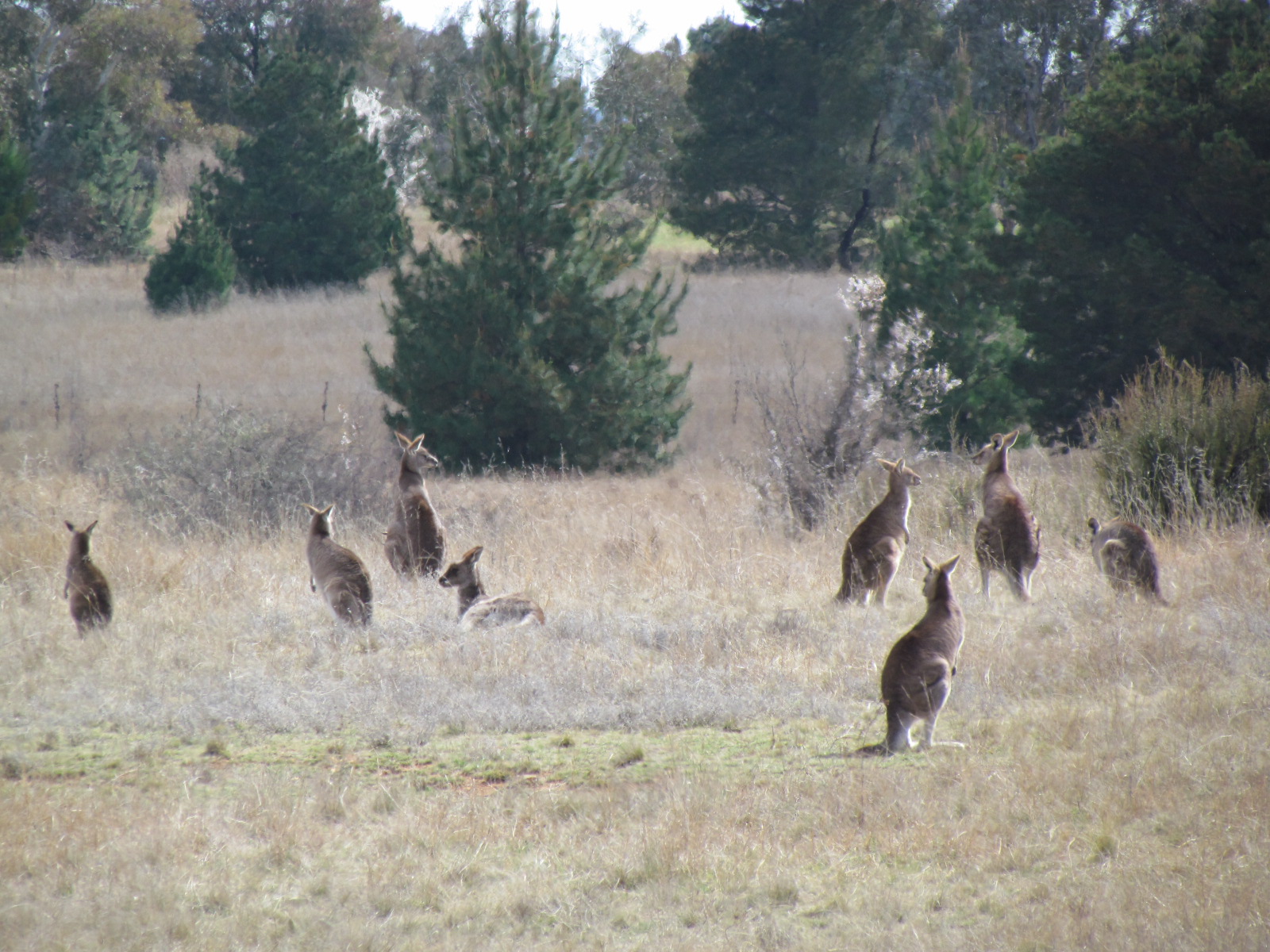
This will continue every night from Monday through to Thursday for the duration of a kangaroo killing program that has taken place since 2009. The 2026 ‘management’ program began on June 9 and will go through to July 31. This year 3,633 healthy Eastern Grey kangaroos are on a government desktop-count target list in 15 nature reserves… The kangaroos’ sin? Eating grass. Wallabies and other kangaroo breeds in reserves are not out of danger.
ACT government bureaucrats and politicians claim this slaughter is necessary to protect native grasslands and woodlands, some tagged endangered, from ‘overgrazing’. Yet, sometimes, on these very same reserves after the killing, hard-hooved cattle are introduced for so-called ‘ecological grazing’. In other reserves the use of ‘ecological burns’ are then used to focus on improving the habitat for threatened plants and animals.
The Australian Wildlife Protection Council (AWPC) notes: ACT decisionmakers appear unaware of kangaroos’ innate ecological management of these lands where they evolved with the other endemic species and with the native ecosystem. Observations include that the organic droppings of these herbivores fertilise the soil and spread seed, that they never, unless confined, graze one patch of grassland as low as sheep for example before moving on, while also leaving a pattern of low and tall grasses and tussocks that benefit other natives on these grasslands. Citizens lucky enough to share land with kangaroos can attest to this.
Calling this slaughter a ‘conservation cull’ frames a cruel, brutal and always lethal program – an annual deliberate measure that inflicts pain and suffering on thousands of kangaroo families. A few weeks ago, at the Pinnacle Nature Reserve, kangaroo defenders arrived and heard the shooting of kangaroos taking place. Incidentally, it was during a fierce rainstorm that minimises the accuracy of any shooting mandated to aim for the head or heart.
Just hours earlier, they had been watching a kangaroo family group: the young at-foot joeys were hyper aware, knowing something was coming and were nervously staying close to their mothers. The shooting began and the bullets decimated this family group. Under current ‘best practice’ pouch joeys and those young at-foot that are caught would have either been bludgeoned to death with a blow to the base of the skull or stunned, immediately followed by decapitation by severing the head from the body with a sharp blade.
And this is what they call ‘conservation’.
The AWPC has a long history of opposing and exposing Australia’s persecution of kangaroos nationally with information and campaigns. The organisation supports and applauds all kangaroo defenders and deplores the violence perpetrated on Canberra Nature Reserves. The ACT program shamefully adds to the wide-ranging destruction of the animal that holds up one side of the national coat-of-arms. Let’s not forget that this country continues to carry out the world’s biggest on-land wildlife slaughter with the national kangaroo ‘harvest’ for skins and meat.
There are several kangaroo advocacy groups in Canberra and here are some of the ways that you can help.
Public pressure matters and showing up sends a clear message that many people do not support this violence against kangaroos.
Politicians need to hear directly from members of the community.
Stand up with us in opposing the killing of kangaroo families, send an email to the ACT Environment Minister today and demand an end to this cruelty: Orr@act.gov.au . Tell the Minister that you oppose the killing of our wildlife, and specifically her government’s cruel and unjustified kangaroo cull (you might use some of the information above including kangaroos’ ecological role).
Our unique native wildlife, our national treasures, deserve community protection, not persecution.
Writing to Members of the ACT Assembly in the electorates on the contacts list will also assist as will outreach to local media.