The RSPCA case relied upon post-mortem X-rays said to reveal a fracture – not noted by two veterinarians who early on saw Dolores – plus video footage interpreted as deterioration, as well as veterinary-led testimony that euthanasia was necessary. The case also invokes the principle that wildlife carers are held to a high standard of care.
Much of the prosecution’s evidence rested on the opinion of a veterinarian, brought in by WIRES. His testimony displayed no experience with the rescue and rehabilitation of injured kangaroos, according to court observers who had much experience treating injured macropods: a lengthy task involving medication, vet visits and rest amidst the animals’ stress response when handled
The defence for Tracy has consistently argued that Tracy’s conduct must be assessed based on what she knew at the time, not through the lens of hindsight.
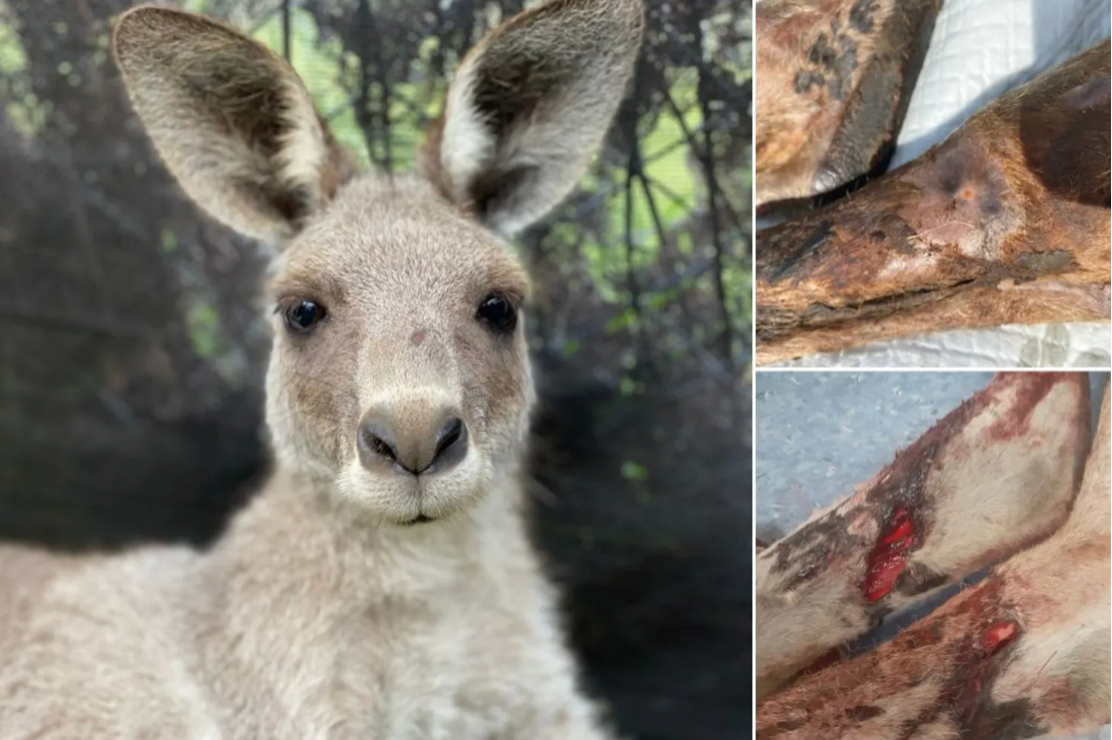
When Tracy first took on Dolores’ care, she was told the kangaroo had been seen by a vet, X-rays were clear and the injuries were consistent with those of a kangaroo caught in a fence referred to as ‘fence-hanger’: open wounds and tendon damage. The primary concerns were infection control and restoring mobility.
In 2019, Tracy completed the fence-hanger course’ presented by private wildlife rescue and treatment facility Possumwood Wildlife Recovery and Research in southern NSW. Based on years of experience rescuing fence-hangers, Possumwood teaches that recovery from such injuries can be slow and highly variable. The training explains that muscle wastage is common, symptoms can worsen before improving, and euthanasia is a last resort rather than a default response. From Tracy’s perspective, Dolores’ progress aligned with that training.
When swelling developed during recovery, Tracy sought further veterinary advice. With treatment, the swelling subsided. Her court defence pointed to this as evidence that Tracy sought veterinary care when she believed it was necessary – all while operating under COVID restrictions (something not mentioned in the court case).
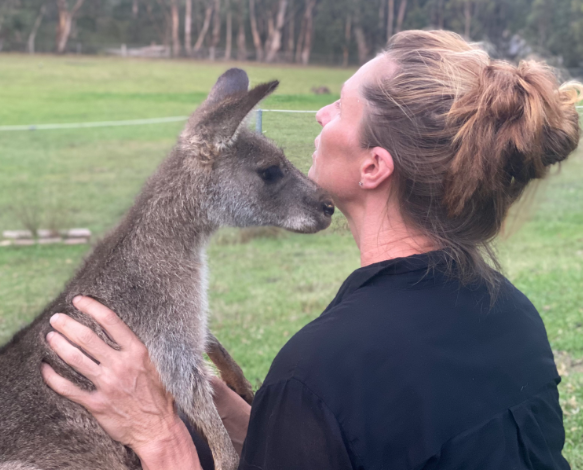
Until the RSPCA raid, Tracy was a volunteer with WIRES. She dedicated her time to attending rescues at all times of the day and night, and caring for kangaroos at her home at considerable personal expense because, she said, she feels a deep desire to help wildlife.
A contentious element of the case was a Zoom call organised by WIRES. Tracy believed this was a routine three-monthly welfare check. She says she was given no warning that her care was under scrutiny and no concerns were raised before, during or after the call. Yet a recording of this meeting later became central to the RSPCA court case.
Three people attended the call besides Tracy: a WIRES staff member, a board member and the veterinarian who later testified and was attending the Zoom call at WIRES’ request. No urgent instruction was given to seek immediate veterinary intervention for Dolores. Days later, Tracy was referred to the RSPCA.
On 8 March 2021, the RSPCA – accompanied by WIRES – raided Tracy’s property. Dolores was seized and euthanised.
The appeal judge has since highlighted the systemic pressures that complicate the case and noted a major and troubling inconsistency: fractures missed by registered veterinarians are often deemed understandable, yet the same oversight by a wildlife carer may attract criminal charges.
The judge also questioned WIRES’ role, asking whether the Zoom call framed as supportive may have reinforced Tracy’s belief she was acting appropriately. The absence of key witnesses — including the original vet who took the X-rays, Tracy’s WIRES macropod coordinator and WIRES senior management — further complicated the court’s task and raised questions about where responsibility truly lies.
This case has far-reaching implications for wildlife carers and their community supporters. It raises the question of whether legislation designed for domesticated animals and livestock should be used to prosecute carers who take in already-injured wildlife in an attempt to help them survive. The Prevention of Cruelty to Animals Act (POCTAA) may be ill-suited to the realities of wildlife rehabilitation. Tracy’s barrister has suggested this case may be less about criminality and more about policy failure – a matter perhaps for state parliament rather than the courts, said the barrister.
The outcome could redefine what ‘reasonable care’ means for wildlife carers nationwide — and set a precedent for legal risks faced by anyone who reaches out to care for injured, sick or orphaned native wildlife.
In the appeal case, Possumwood director and trainer Dr Rosemary Austen was permitted to give evidence that had been excluded in the initial case. While the RSPCA argued only veterinarians possess relevant expertise, the appeal judge cited case law recognising that specialised experience may also be considered.
Dr Austen has told the AWPC that it is typical of the behaviour of a fence-hanger victim in recovery that Dolores was lying down and reluctant to get up when Tracy’s property was raided by a WIRES/RSPCA group. The visitors reportedly insisted the kangaroo get up, and found it troubling when the animal did not.
For more than two decades outside Bungendore NSW, Dr Austen and Professor Steve Garlick have operated Possumwood Wildlife helping the recovery of severely injured and traumatised native animals building a wildlife hospital aided by veterinary support. They also train carers where other support may not exist. Such expertise and knowledge is critical and yet not recognised.
An example of experienced knowledge that carers are taught is that stress can kill wildlife – kangaroos are particularly vulnerable to stress – meaning unnecessary vet visits are often avoided. This is the dilemma carers face every day.
Dods v R (RSPCA) has exposed a fault line in Australia’s wildlife protection framework. It raises fundamental questions about responsibility when citizen compassion and common sense fill the gaps of an imperfect policy and institutional system — but where legislative certainty is actually needed to protect carers acting with skill and good intent.
Wildlife carers are struggling to comprehend how Tracy, who provided daily care and attention, could be convicted of aggravated animal cruelty alongside people that act with deliberate cruelty and show no remorse.
Although the prosecution was brought by RSPCA, WIRES played a central role. Tracy was referred to the RSPCA by the organisation she volunteered with and relied upon – a fact that has met with serious disappointment in the wildlife rescue sector. Many now question whether alternative, supportive responses could have prevented this prosecution and the distress it has caused.
This case highlights a dangerous grey zone between treating an animal and letting it die, and the impossible choices wildlife carers can face daily. AWPC has been told the case has instilled fear across the rescue and carer sector and exposed a lack of consistent support and oversight that urgently needs reform.
This case has been characterised as not only a profound institutional failure and misuse of court resources, but a troubling step backwards in the fight for better animal welfare and respect for our unique wildlife.
WIRES – long Australia’s best-known and trusted wildlife rescue charity –finds itself in in what some volunteers call a crisis. It has been embroiled in NSW Supreme Court proceedings brought by its own members over the adoption of a new constitution that failed to achieve the required 75 percent member support yet was registered with ASIC regardless. According to a volunteer member report to AWPC, more than 900 members who opposed constitution changes were removed, losing their voting rights and role in governance. Critics amongst the volunteers claim the organisation has drifted from rescue and rehabilitation toward corporate growth, control and less transparency. They point out that the mass removal of volunteers clashes with the charity’s reliance on these people for wildlife care on the ground.
Also under question by volunteers is why WIRES is said to retain over $50 million from the 2020 Black Summer bushfire appeal.
Readers can support Tracy by donating to her legal fees through the GoFundMe below.