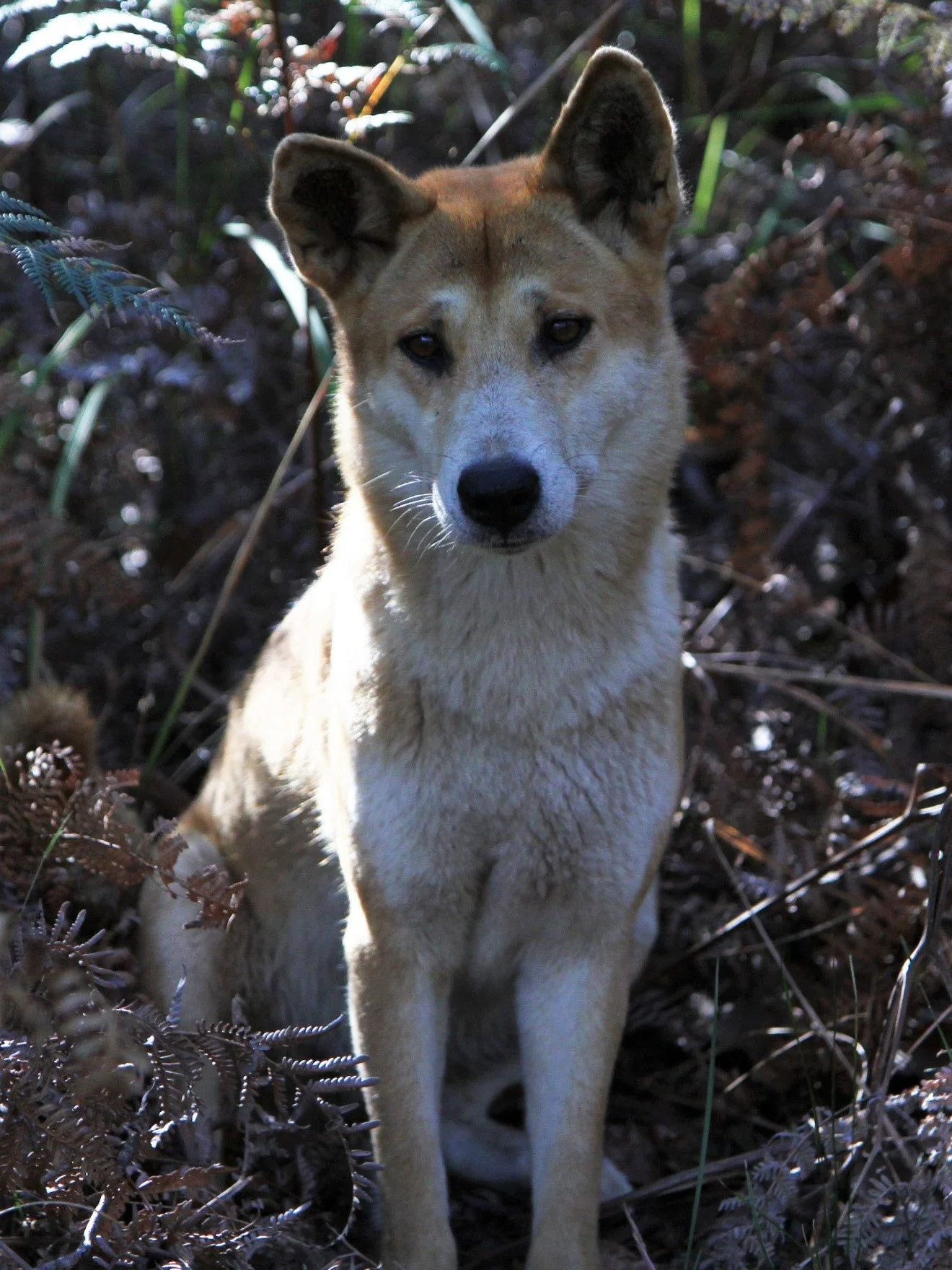
Co-existence and respect for our fellow species, sharing the land and food, is a pathway of hope and learning to restore our natural home – now degraded and increasingly dangerous – while we hope to lose lethal ‘management’ of native species.
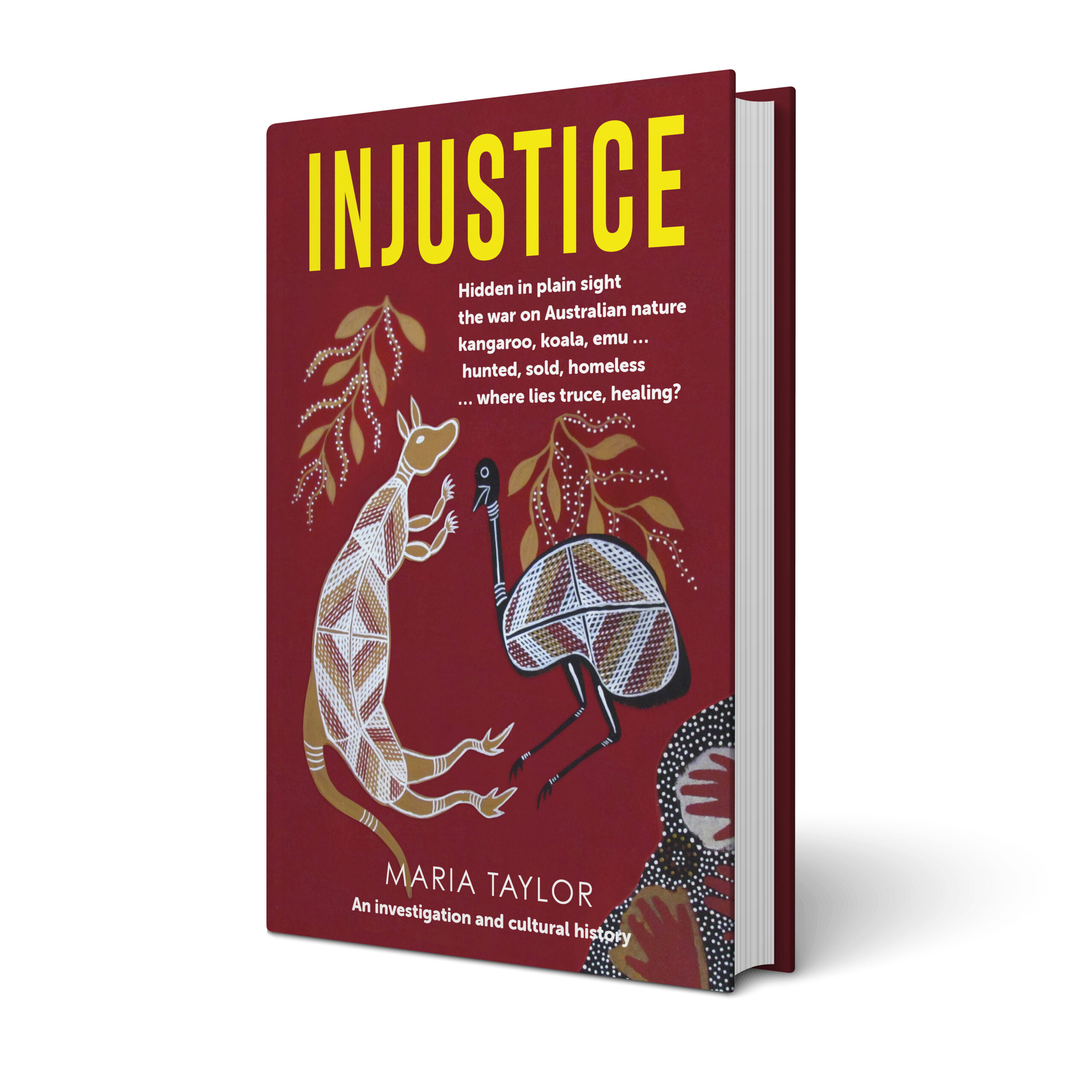
In my recent book exposing the colonial destruction of the native Australian landscape and its wildlife: ‘Injustice – hidden in plain sight the war on Australia nature….’ I shone a light on the lack of care and understanding for native species that has allowed lethal wildlife management, read extensive killing, to continue as a ‘normal’ way of behaving. Australians still look away from the world’s largest contemporary land-based wildlife slaughter – the annual massacre of hundreds of thousands of kangaroos of various species shot for meat and leather trades, or shot just to remove them as happens every year in the nation’s so-called bush capital.
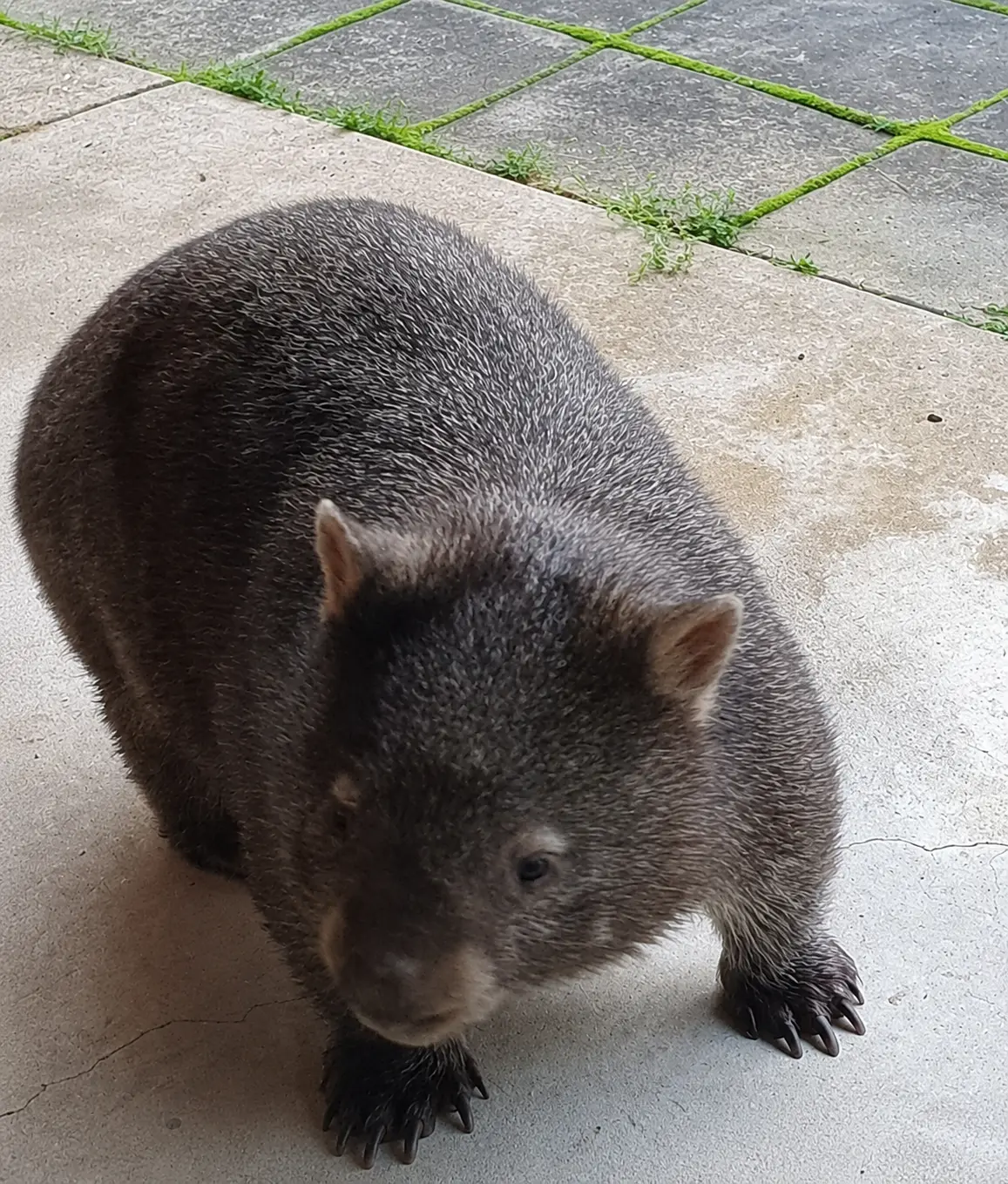
As well as kangaroo species, dingos, wombats, possums, bats, birds, marine wildlife, all remain ‘managed’ by gun, poison and net. And that’s just in the vertebrate animal kingdom. Human impact on native vegetation and on the insect world integral to maintaining ecosystems has been immense and worrying.
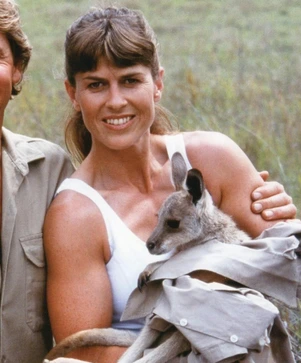
As balance to this tale of woe, for the concluding Sharing chapter of Injustice I talked with some trail-blazing Australians who have taken the path of beneficial (for all) co-existence and sharing the land with wildlife on their farm production properties. Following is an excerpt from the book: a chat with Terri Irwin who, with her late husband Steve, has done much to encourage respect and compassion for Australian native wildlife.
The chapter in Injustice also reports the experience of Charles Massie, author of ‘Call of the Reed Warbler’ and his exploration of regenerative farming methods that heal the land from post-colonial destructive practices while bringing in good farm income. His book includes many case studies. More from Charlie below.
Terri Irwin, along with her late husband Steve, did much to popularise and say it’s okay to love Australian wildlife – notably the slithery and snappy variety. Terri is still doing this work. In recent years she spent much of her time filming segments for a television program called Crikey! It’s the Irwins, along with her children Bindi and Robert, while working alongside some 500 staff at the family-owned Australia Zoo. The zoo now houses more than 1,200 animals on about 1,000 acres of Sunshine Coast bushland.
Terri wanted to talk about the still unresolved and unequal relationship between humans on production properties and the common wildlife, particularly kangaroos. We talk about her family’s conservation grazing properties in central Queensland and in the Queensland gulf country. Both properties are living experiments, in that they allow the natural wildlife – from dingo to emu to kangaroo – to live peacefully.
The plan has been to increase the diversity of plant life and extend ecosystems. Mourachan lies in the brigalow (acacia woodland) belt – a landscape that has suffered extensive clearing. The family is now managing118,000 acres (47,753 hectares) plus a neighbouring block. The properties continue to commercially run cattle.
Steve and Terri also started to engage the neighbours to document the presence of the rare Woma python. That worked out wonderfully, but what was disheartening was how much kangaroo shooting was going on. That’s when they learned about Australia’s industrial-scale kangaroo meat and skin industry, and how extremely poorly regulated it is. “I’ve seen really sad things with kangaroos,” she tells me.
“Nobody is following these people around to see how they are killing the animals. There is also a sense if you are a landowner that you can treat wildlife in any way that you see fit without requesting permission or a permit.”
Rebalancing the property with nature required removing some of the property’s features, and expanding others. For wildlife, that included removing kilometres of old fencing, or modifying it to wildlife-friendly fencing – a project that Steve Irwin started and convinced the neighbours would be okay.
Wildlife-friendly fencing ensures bats, possums and gliders or birds no longer getting caught on the top strand. And the bottom strand is not hurting animals ducking under the fence, as wombats must do to get across the countryside and kangaroos also prefer ducking under. Terri says opening the country from bad fencing has worked for two decades on their properties and she’s really keen on changes like that.
Regeneration of trees and shrubs was a key factor for good ground cover, and went hand in hand with habitat restoration. It also helped move on the kangaroo shooters. That was when the vegetation reached a point that the shooters could no longer see the kangaroos as they would on a cleared paddock.
Terri still sees the effects of cleared paddocks and set stocking in the neighbourhood: “This attracts kangaroos, because essentially you are building a golf course with constant new grass. ‘Wow, we’ll come to your house!’
“On our property, we have different vegetation areas, some grassed areas, some treed areas. Less of a monoculture still allows good beef yields while inviting less roos,” while creating other biodiverse habitat.
The property has a complete live-and-let-live policy for native animals, while also running 300 head of cattle that bring in comparable income per head to other traditionally-run properties. Terri tells me they always have adequate grass, partly thanks to the vegetation cover they re-established. The contrast is most noticeable when neighbouring properties have suffered badly in dry years. Terri says the wildlife populations all now have stable numbers. The birdlife is fantastic.
The next step with the help of online marketing was to introduce wildlife tourism, billed as outback adventures or photography expeditions, with food and accommodation laid on. The venture showed that ecotourism brings in good money that can be reinvested in the land. Websites and social media have made marketing much easier for country people.
“People will spend thousands of dollars for an outback experience where they can see this wildlife. Seventy percent of international tourists want to see our wildlife. We know in Africa it really works – people protect the wildlife and have livestock and when people come on your property to see the wildlife, they pay a token fee.
“Where we are the emus are so sweet, they don’t even protect the chicks from you. They’re just really cruisy. You can go out and see the emus and kangaroos and dingos.
“Because we don’t shoot them, you’ll see them.”
Iconic wildlife in this woodland environment includes emus and Eastern Grey kangaroos, wallaroos and swamp wallabies, monitor goannas and other lizards, many bird species common along Eastern Australia, including the predator birds often shot elsewhere. The dingos allowed to co-exist on Mourachan cause no problems with introduced stock.
Elsewhere dingos have been labelled ‘wild dogs’ along with escaped human pets and working dogs and are commonly poisoned with horrendously cruel 1080 or shot by government agents, hunters and landholders to accommodate what sheep and cattle farmers think they want.
“In my experience,” says Terri, “where we have left the kangaroos and dingos, if you fly over it, it looks like an island. Everything around it has been decimated but our property is always healthy and we have roos, dingos and also cattle. Neighbours have come and asked to agist cattle on our property. I find it ironic because if their methods of extermination of certain types of wildlife and their husbandry are all working why are they asking the person with kangaroos and dingos and conservation methods to agist? The grass is always greener on my side of the fence, literally.”
In harmony with the Irwin’s experiences, Charlie Massie told me that on his Merino sheep wool-growing property in southern NSW, as a result of his regenerative farming and land care practices, many similar to what Terri Irwin described, the wildlife on his block has come back – both a delight and an indicator of healthy biodiversity and healthy country.
This is accomplished by strict rotational grazing and conservative stock management. The resulting more natural landscape is not grazed down to ground level, and therefore seldom exhibits the golf-course-greens attraction of new pick for passing marsupials.
He described both the return of swamp wallabies and the biodiversity networks that are not so quickly seen. On one early morning survey across the countryside, he said he marvelled at myriad spiderwebs, still wet with dew and glistening between the grass clumps. The spiders catch flies, grasshoppers, and other insects. They tell this landholder that the biodiversity on the property is returning to healthy landscape functions above and below the soil line. “The fact we no longer get regular devastating wingless grasshopper plagues is another indicator of increasing health,” he said.
One research area that has been seriously neglected is the study of how native animals maintain the natural environment for themselves and for other species. Indigenous communities understood this much better than European settlers. First Australians understood all living beings and entities have equal rights and roles in the environment – creating the balance supporting all life.
In contrast, the human newcomers in the past 200 years have focused on overturning the natural order to establish European-style farming and grazing, bringing along their exotic animals for farming and for hunting. The fox didn’t swim here. We now know anecdotally that native birds and also marsupial species sustain their country with their droppings and seed spread. Kangaroos have been observed to graze in patterns through low and high vegetation that suits their grassland fellow species.
A tip for sheep graziers on what the natives can teach about land health came from zoologist Hugh Tyndale-Biscoe via field work in western NSW in the 1960s and ‘70s. When the kangaroos left it was time to shift the sheep and spell the paddock. The property owner did this in wet years and dry years. The researchers reported that the property retained good saltbush and native grass and good sheep production at times when neighbours were destocking.
Working with the natural world is the theme of a recent media essay with focus on the climate changes bearing down on us all. The biodiversity/ecosystem catastrophes and extinctions we have also wrought will be hazardous as well to the pleasant lifestyles a lot of humans still enjoy.
Thomas Crowther reported in the Guardian that in 2019 he published in the top research journal Science, the conclusion that natural forest restoration was the best climate change solution Link
His team received pushback from people who argued emission reduction has to be the top priority to mitigate climate change. Restoring forests takes time. He agreed but said forest restoration was the best option for improving the livelihoods and wellbeing of people, too. The research backed this argument with international examples of communities working with the natural environment in win-win ways, for example with re-introduction of wildlife species to restore the natural balance of eco-systems. Eco tourism also featured as successfully bringing incomes to communities while they sustain their natural environment and its inhabitants.
We’re seeing both directions in the Australian examples we have here. And there is more. Along with the co-existence wins demonstrated on the Irwin and Massie rural properties and elsewhere – like on rural residential blocks near cities (eg my own and on neighbours – we can testify) – Australians have also started down the path of re-wilding and bio-system reconstruction. Some featured in city-based stories published by Michael Dahlstrom of yahoo.com. Here’s an excerpt from one story and another is linked below.
Seven tiny forests have been built at schools in NSW… and more to come along the coast north. Others have been planted on council land, private property and at a nursing home.
Climate change is making cities hotter, affecting human health, and driving up electricity costs to keep dwellings cool. Within 12 months, the air temperature can be 5.5 degrees cooler inside the forests, and 3.5 degrees cooler in the surrounding area.
Groundswell Collective, a Sydney-based non-profit group, is using Japanese technology to rapidly cultivate tiny forests, with growth rates of up to six metres a year. Its founder, Anna Noon, told Yahoo News that costs are relatively low, averaging $28,000, compared with the $1,400 it costs a council gardening team to buy and plant one street tree using their modern utes, which can cost upwards of $140,000.
“You could probably build five of these forests for the cost of a Dodge Ram,” she quipped.